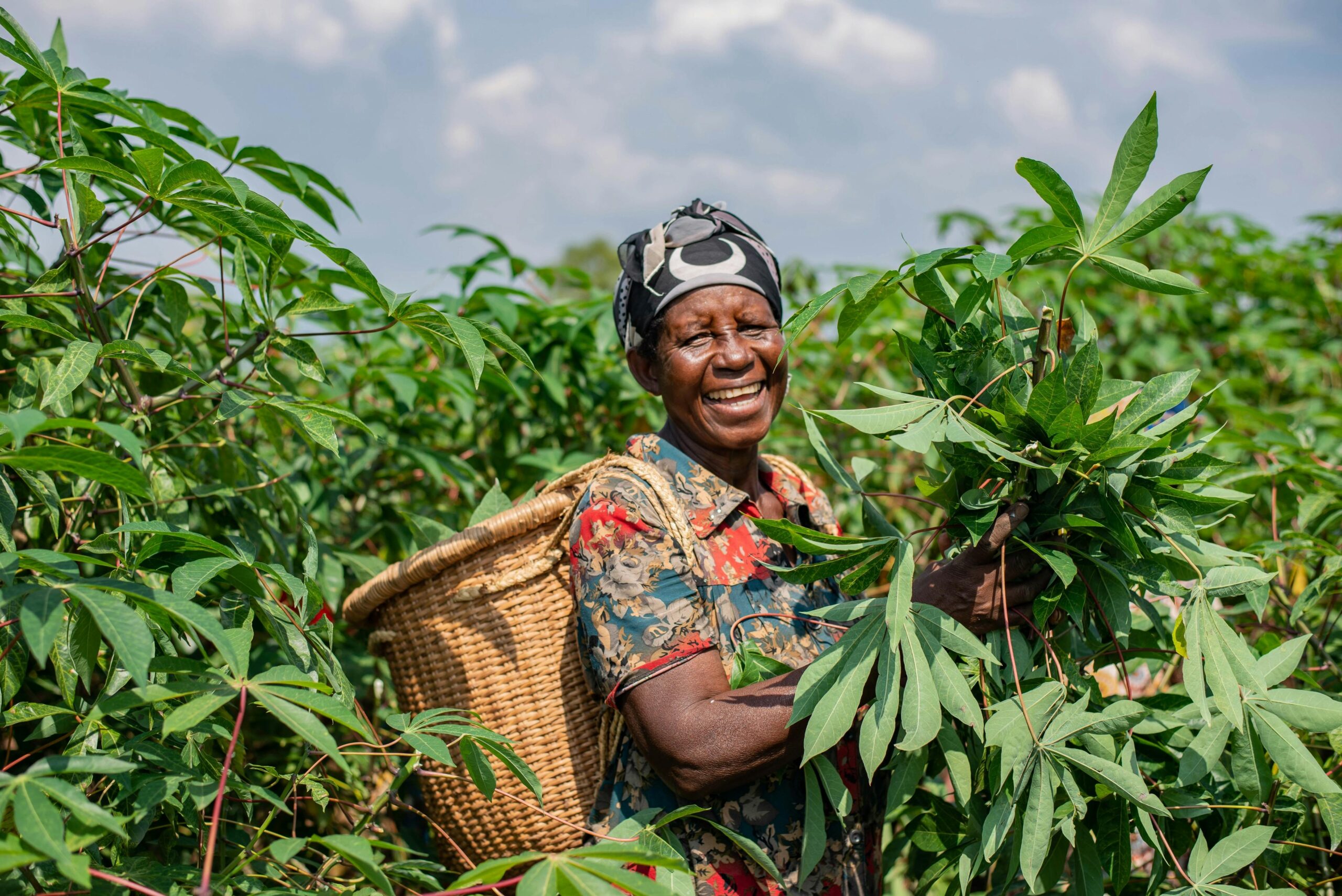
The demand for sustainable food products is rising globally as consumers become more aware of environmental issues and ethical sourcing. But for entrepreneurs, turning that demand into a viable, scalable, and profitable business requires more than good intentions. It requires strategy, discipline, and innovation.
At FoodResso, we support food startups that want to integrate sustainability into their core business—from sourcing to distribution. Here’s your guide to building a food business that’s both green and growth-oriented.
1. Define Your Sustainability Vision
Before selecting a logo or factory location, clarify what sustainability means for your brand.
Ask Yourself:
- Will you prioritize organic sourcing?
- Will your supply chain be carbon neutral?
- Do you aim to reduce packaging waste?
Case: A startup in Lebanon producing vegan snacks defined its vision around plastic-free packaging and fair-trade sourcing. They embedded these principles into their brand story and investor pitch from day one.
What to Do: Write a 1-page Sustainability Manifesto. This helps guide every decision moving forward.
2. Source Responsibly
Your raw materials are your first major sustainability lever.
Sourcing Strategies:
- Work with certified organic or regenerative farms
- Prioritize local and seasonal ingredients
- Audit your suppliers for ethical labor practices
Example: A Dubai-based beverage brand reduced their CO2 emissions by 20% by shifting from imported fruits to a network of farms in Al Ain and Fujairah.
Tool: Use platforms like Sedex or EcoVadis to evaluate supplier sustainability.
3. Choose Eco-Friendly Packaging
Packaging is a major contributor to food industry waste.
Options Include:
- Compostable films
- Glass or aluminum (recyclable)
- Refill and reuse systems
Western Case: Loop (by TerraCycle) partnered with brands like Nestlé to offer returnable packaging to consumers in the US and Europe. It proved viable in dense urban centers with high environmental awareness.
MENA Note: A Jordanian honey brand switched to glass jars with fabric seals and saw both cost savings and a brand trust boost.
4. Design Energy-Efficient Operations
Beyond sourcing and packaging, your factory and logistics should align with your sustainability goals.
Steps:
- Invest in energy-efficient machinery
- Use solar panels if viable
- Optimize routes for fuel efficiency
Tip: Many countries now offer green financing or equipment grants for such upgrades.
Real Case: An Egyptian frozen food brand installed a solar cold storage system, reducing monthly energy bills by 35% and appealing to export clients in Europe.
5. Calculate Your Carbon Footprint
Measure what you want to manage.
Start With:
- Raw material transport
- Factory emissions
- Packaging waste
- Distribution impact
Tools:
- GHG Protocol
- Carbon Trust Calculator
- Local sustainability consultants
Advice: Publish an annual sustainability report, even if informal.
6. Build a Green Brand and Tell Your Story
Consumers value transparency.
Marketing Tips:
- Show sourcing maps on your website
- Share behind-the-scenes on social media
- Use certifications (Organic, Fair Trade, B Corp)
Quote:
“People don’t buy what you do; they buy why you do it.” — Simon Sinek
Example: A UAE plant-based protein company grew 4x in two years by running education-based Instagram campaigns on sustainable agriculture.
7. Partner for Impact
Don’t go it alone. Collaborate with nonprofits, universities, or circular economy networks.
Regional Insight: In Saudi Arabia, a dairy company partnered with a university to recycle whey byproducts into animal feed, turning a waste issue into a revenue stream.
What to Do: Map stakeholders in your region who support green businesses.
8. Track and Improve
Sustainability is a journey. What you measure improves.
Key KPIs:
- Waste per kg of product
- Energy usage per unit
- Packaging material recyclability
- Supplier compliance rate
What to Do: Set quarterly improvement goals. Celebrate small wins with your team and customers.
Final Thoughts
Building a sustainable food business is not a checkbox exercise—it’s a mindset. From product design to logistics to marketing, sustainability should be woven into your DNA. It’s not only better for the planet, but also for your brand equity and bottom line.
Need help building your sustainable strategy? FoodResso offers consultation, supplier audits, and sustainable factory setup guidance. Let’s grow responsibly.