Introduction
In the fast-evolving dairy industry, selecting the right milk filling line is one of the most critical investments for both startups and established producers. A misstep can lead to production bottlenecks, hygiene compliance issues, product losses, and unnecessary operational costs.
At FoodResso, we support food businesses across the MENA region and globally in making technical decisions that impact efficiency, compliance, and product quality. This guide breaks down the key factors to consider when choosing your filling line—and how to make the right investment.
“Efficiency is doing things right; effectiveness is doing the right things.” — Peter Drucker
1. Define Your Product Profile
Before exploring equipment, clarify your product type:
- Is it pasteurized milk, UHT, flavored, fortified, or organic?
- What is the viscosity and shelf-life target?
- Will you handle homogenized, non-homogenized, or plant-based variants?
Real-World Case: A small dairy startup in Jordan initially bought a low-capacity filling machine intended for pasteurized milk but later pivoted to UHT milk. They had to reinvest after realizing the original machine was incompatible with aseptic packaging standards.
What to Do: Map all product characteristics upfront. Don’t finalize a line until the full product pipeline is clarified.
2. Choose the Right Filling Technology
Different technologies suit different products:
- Gravity Fillers: Simple, cost-effective for low-viscosity products
- Volumetric Fillers: Ensure consistent volume; better for premium brands
- Piston Fillers: Used for thick liquids like cream
- Aseptic Fillers: Crucial for long shelf-life and UHT products
Regional Example: A UAE dairy plant producing high-end camel milk opted for a volumetric rotary filler to deliver precision and minimize overfill, ensuring profit margin protection.
What to Do: Balance precision, speed, and sanitation based on your product specs.
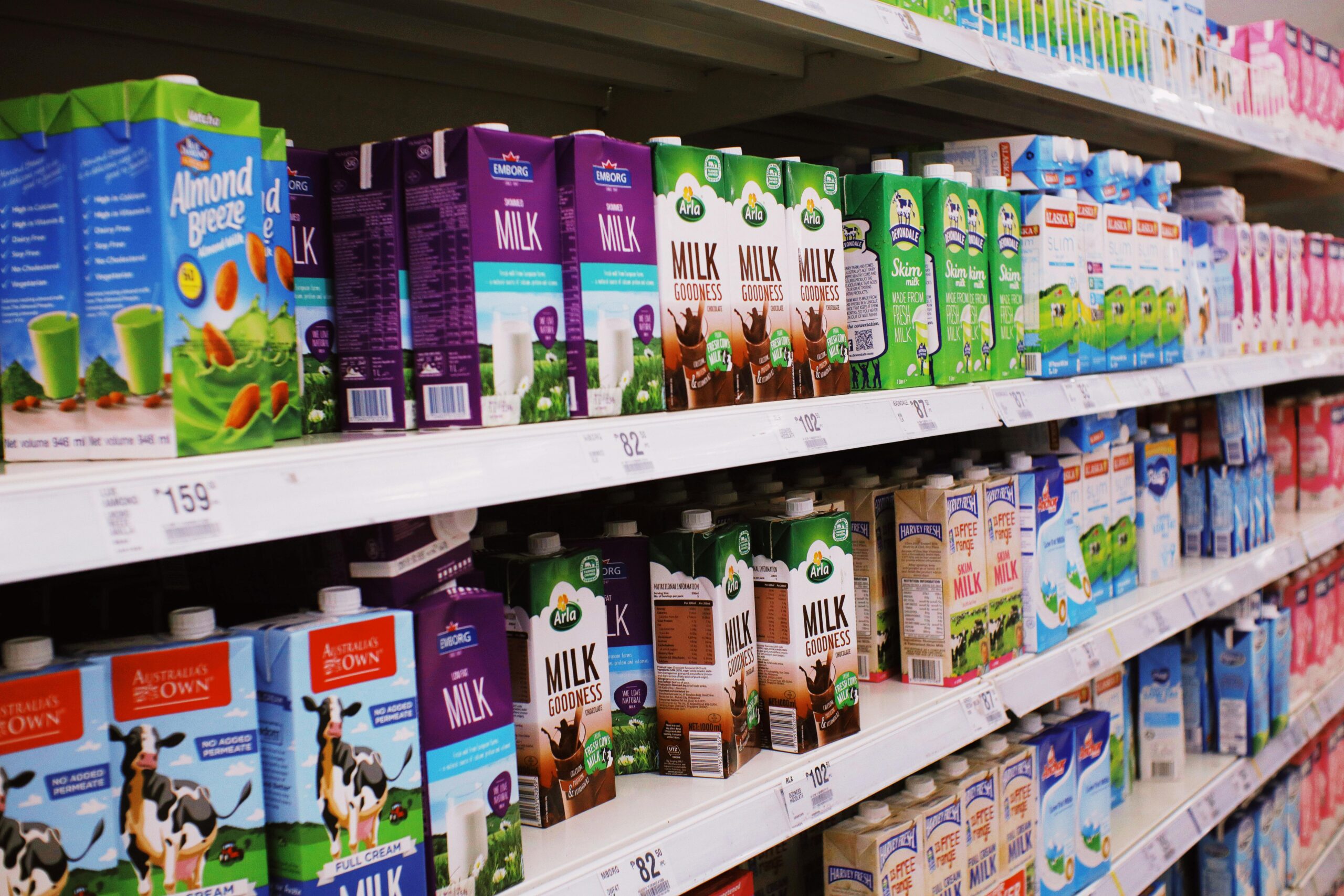
3. Packaging Format Compatibility
Is your product packed in:
- HDPE bottles?
- Glass bottles?
- Gable-top cartons?
- Flexible pouches?
Some machines are format-specific; others offer multi-format flexibility.
Case: A Tunisian dairy opted for a gable-top filling line with changeover options to serve both family packs and school-size 250ml cartons. This allowed agile marketing campaigns for different demographics.
Tip: If you’re in a growth phase, choose a modular line that supports future packaging innovation.
4. Speed and Capacity Planning
Determine your:
- Target production volume (liters/day)
- Desired automation level (manual, semi-auto, full)
- Potential for expansion
What to Consider:
- Entry-level startups: 1,000–5,000 L/day
- Medium plants: 5,000–20,000 L/day
- Industrial-scale: 30,000+ L/day
Global Example: A German dairy cooperative moved from 12,000 to 35,000 L/day after demand surged for its lactose-free milk. Their original line couldn’t keep up, prompting an upgrade with buffer tanks and servo-driven fillers.
Tip: Plan for 3–5 year growth. It’s better to slightly over-invest now than block your scale-up.
5. Hygiene and CIP Systems
Food safety is non-negotiable. Your filling line should support:
- CIP (Clean-In-Place) with automated validation
- Stainless steel 316L contact surfaces
- Hygienic seals and valves
Tip: Choose EHEDG- or 3A-compliant designs. Look for options that integrate with your existing CIP skid.
Real-World Insight: A factory in Egypt suffered a 5-day production halt due to microbial contamination traced to a faulty valve in their filling head. The issue was avoidable with higher-grade seals.
6. Budget and ROI Considerations
- Entry-level machines (semi-automatic): USD 20,000–40,000
- Mid-range (5,000–15,000 L/day): USD 50,000–120,000
- Industrial-scale aseptic lines: USD 250,000+
What to Do: Request TCO (Total Cost of Ownership) analysis from suppliers: energy, water, maintenance, and spare parts cost over 5 years.
Tip: Don’t just compare sticker prices. Consider yield loss, downtime, and scalability.
7. Local Support and Spare Parts Availability
Always verify:
- Is there technical support in your country?
- Are spare parts available locally?
- Is operator training provided?
Regional Insight: In Oman, a startup delayed production for 6 weeks waiting for a minor filler part from Europe. Choosing a supplier with MENA-based reps would have avoided the cost.
Final Thoughts
Choosing a milk filling line isn’t just a procurement decision. It’s a long-term operational commitment. The right decision can optimize yield, hygiene, labor, and energy consumption. The wrong one can cost you more than money—it can cost you market trust.
At FoodResso, we help food and dairy businesses assess, plan, and validate their equipment investment decisions through data-driven templates, supplier comparisons, and layout simulations. Our focus is on empowering your decision-making with knowledge.