Introduction
Production management is the backbone of any food manufacturing operation. Whether you’re making dairy, snacks, ready meals, or beverages, managing time, labor, machines, and materials effectively is what separates high-performing plants from struggling ones.
At FoodResso, we help food businesses streamline their production from the ground up. This article breaks down the core pillars of successful production management, the tools professionals use to stay ahead, and how you can apply them regardless of your plant size.
“You can’t manage what you don’t measure.” — W. Edwards Deming
1. What Is Production Management in the Food Industry?
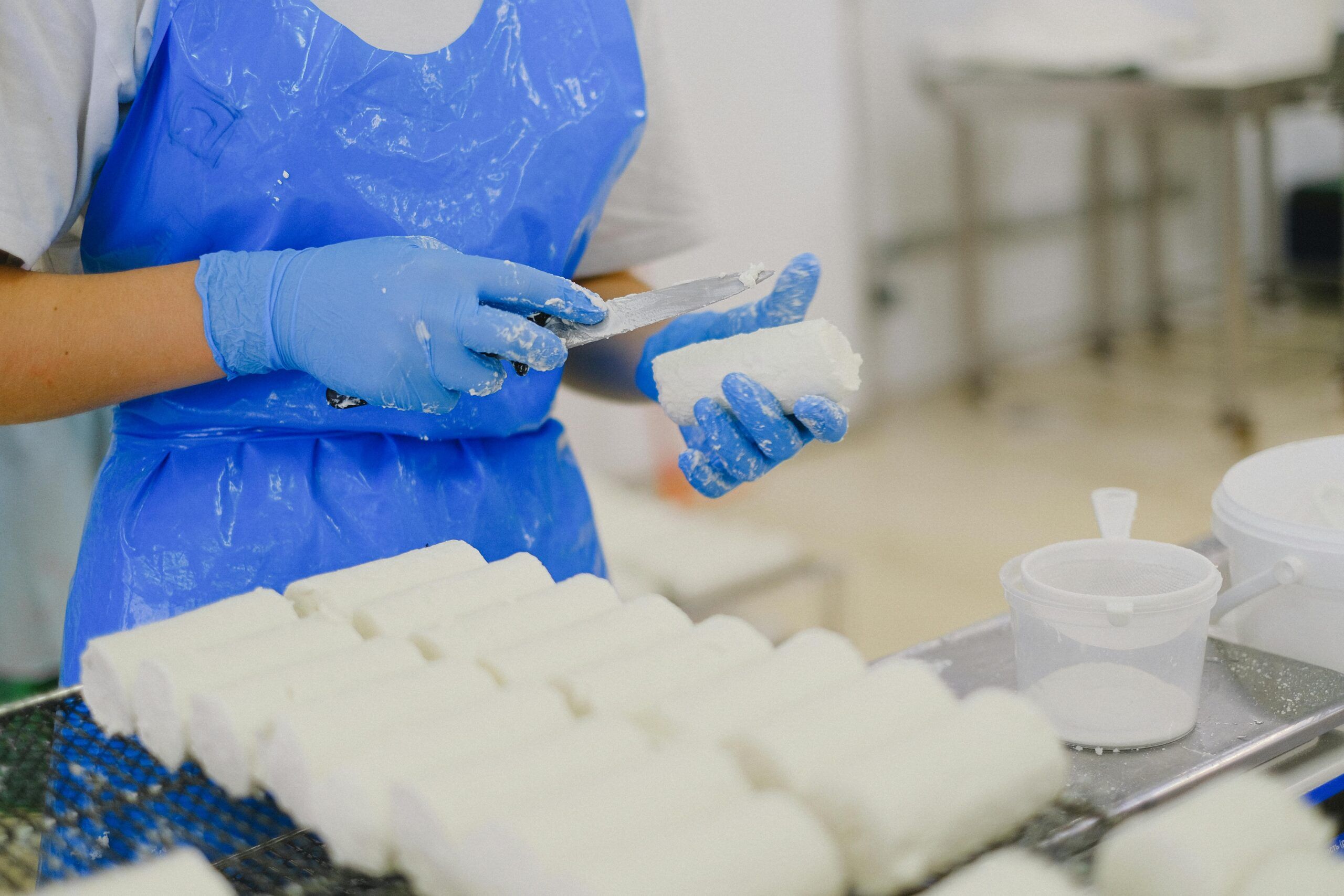
Production management covers everything from raw material intake to the packaging of finished goods. It includes:
- Production planning and scheduling
- Resource allocation (materials, labor, machines)
- Equipment and process efficiency
- Real-time monitoring
- Quality control integration
In the food industry, the stakes are higher due to perishability, food safety compliance, traceability, and consumer trust.
2. Key Pillars of Effective Production Management
A. Production Planning and Scheduling
Developing a clear weekly and daily plan helps balance demand, capacity, and supply.
What to Use:
- Forecasted demand data
- BOMs (Bill of Materials)
- Machine and labor availability
Real Example: A UAE-based dessert brand uses a rolling weekly production schedule aligned with sales forecasts and reduces out-of-stock SKUs by 60%.
B. Inventory and Material Control
Track raw material stock levels, batch expiry dates, and reordering points.
Tools: FIFO tracking systems, barcode scanning, ERP modules.
C. Process Flow Optimization
Designing and mapping efficient process flows reduces idle time, movement waste, and contamination risks.
Middle East Case: A sauce company in Jordan reduced line congestion by redesigning ingredient staging areas and cut downtime by 12%.
D. Labor and Skill Management
Assign trained personnel to the right tasks. Build a skill matrix and ensure cross-training.
E. Real-Time Production Monitoring
Use dashboards, Andon systems, or even whiteboards in low-tech environments to track progress and take immediate action.
3. KPIs for Production Managers
Track these KPIs weekly:
- Plan vs. Actual Production
- OEE (Overall Equipment Effectiveness)
- Rework %
- Material yield
- Labor hours per unit
- Changeover time
“Measurement is the first step that leads to control and eventually to improvement.” — H. James Harrington
4. Common Challenges and Solutions
Challenge: Overproduction or stockouts
- Solution: Implement pull-based systems like Kanban or dynamic scheduling.
Challenge: High rework or waste
- Solution: Root cause analysis + process audits + operator training.
Challenge: Poor communication between production, maintenance, and planning
- Solution: Daily production meetings and digital dashboards to share updates in real time.
Global Example:
A frozen meals plant in the UK integrated its ERP with floor-level tablets. Operators now update shift progress live. This helped cut last-minute overtime by 25%.
5. Tools and Systems to Support Production Management
- ERP systems (like SAP, Odoo, or Microsoft Dynamics)
- Production dashboards (Power BI, Excel, or MES platforms)
- Work instructions and SOP repositories
- Mobile shift reports and handover notes
6. Tips for Food Startups and SMEs
- Start with paper-based daily tracking sheets.
- Define critical KPIs and review them daily.
- Introduce weekly shift reviews with your production team.
- Keep a visual board on the factory floor: plan vs actual, downtime reasons, and safety alerts.
Startup Case: A hummus maker in Cairo used Google Sheets and a whiteboard to manage daily production, improve traceability, and train new hires faster. They reduced operator error by 40% in 3 months.
Final Thoughts
Strong production management is about systems, visibility, and empowered teams. Whether you’re a startup or a regional leader, managing production efficiently requires attention to detail, consistency, and proactive improvement.
If you need help setting up systems, building production dashboards, or solving persistent floor issues, FoodResso offers hands-on consultation and tools tailored to your scale.