Introduction
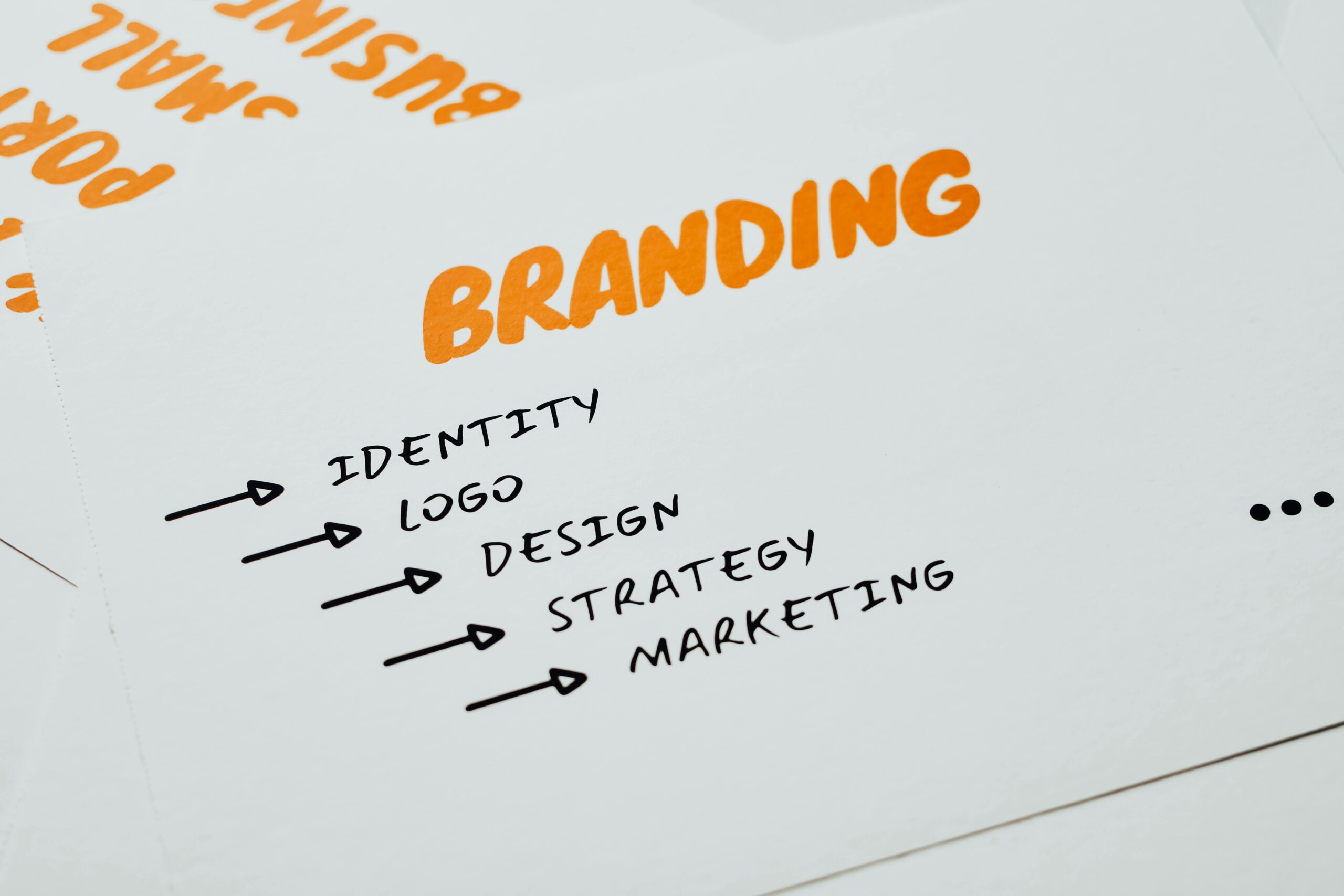
Branding is one of the most powerful tools a food startup can use to stand out in a saturated market. It’s not just about a pretty logo or catchy name—it’s about building a trustworthy identity that connects emotionally with your target audience.
At FoodResso, we help food entrepreneurs create brands that communicate their value instantly and memorably. In this article, we explore how to build a brand that your customers remember, trust, and advocate for.
“Products are made in the factory, but brands are created in the mind.” — Walter Landor, Brand Design Pioneer
1. Define Your Brand Core
Before logos or colors, define what your brand stands for.
What to clarify:
- Purpose: Why does your brand exist?
- Vision & Mission: Where are you going and how will you get there?
- Values: What do you believe in? Clean eating? Community? Innovation?
- Brand promise: What experience will you consistently deliver?
Example: A protein cookie startup in Lebanon positioned itself around fitness and convenience with the brand promise: “Fuel for your hustle”.
2. Know Your Audience and Positioning
Your brand must appeal to the right people and clearly state how it’s different.
How to do it:
- Create a customer avatar: who they are, what they eat, and why.
- Analyze your competitors’ branding to find your niche.
- Pick a positioning that fills a real emotional or functional gap.
Case: A Saudi-based honey brand positioned itself as a luxury wellness gift, differentiating from mass-market options.
3. Create a Visual Identity That Speaks Volumes
Design is not just art—it’s strategy. Your visual identity must align with your values and attract your audience.
Core elements:
- Logo and color palette
- Fonts and iconography
- Photography style
- Packaging design
FoodResso Tip: For startups with low budgets, use Canva and platforms like 99designs or Looka to build high-quality brand visuals.
Western Example: Oatly, the Swedish oat milk brand, used minimalist design and bold fonts to create a standout shelf presence with an irreverent tone.
4. Craft a Story That Sticks
Your brand story is the narrative behind your product. People connect to why you started and what makes you different.
What to include:
- The challenge or insight that led to your startup
- The problem you’re solving
- Your journey and vision
Regional Example: A Moroccan couscous startup shared its founder’s journey of modernizing his grandmother’s recipes, gaining strong emotional engagement.
5. Build Brand Touchpoints
Every interaction should reflect your brand: website, packaging, social media, email tone, customer service.
How to ensure consistency:
- Use a brand style guide
- Train your team and partners
- Review your touchpoints regularly
Example: A vegan ice cream brand in Egypt printed its mission on each cup: “Kind to you, kind to the planet”. It created a stronger brand message than just flavor names.
6. Validate and Evolve Your Brand
Branding is not a one-time project. Test your brand with real users and refine it as you grow.
Steps to take:
- Do mini focus groups or polls on social media
- Watch customer feedback and adapt
- Revisit your visuals and story every 12 months
FoodResso Advice: One of our clients refined their tagline 3 times in the first year based on real customer reactions. The final version boosted online conversions by 18%.
Final Thoughts
Branding is how people feel when they see, hear, or taste your product. It builds loyalty, word-of-mouth, and sales.
For food startups, branding is a superpower—use it early, thoughtfully, and consistently. And remember, the best brands are built with authenticity, empathy, and focus.
At FoodResso, we guide food businesses from idea to shelf, including brand identity, packaging, and storytelling that sells.