-
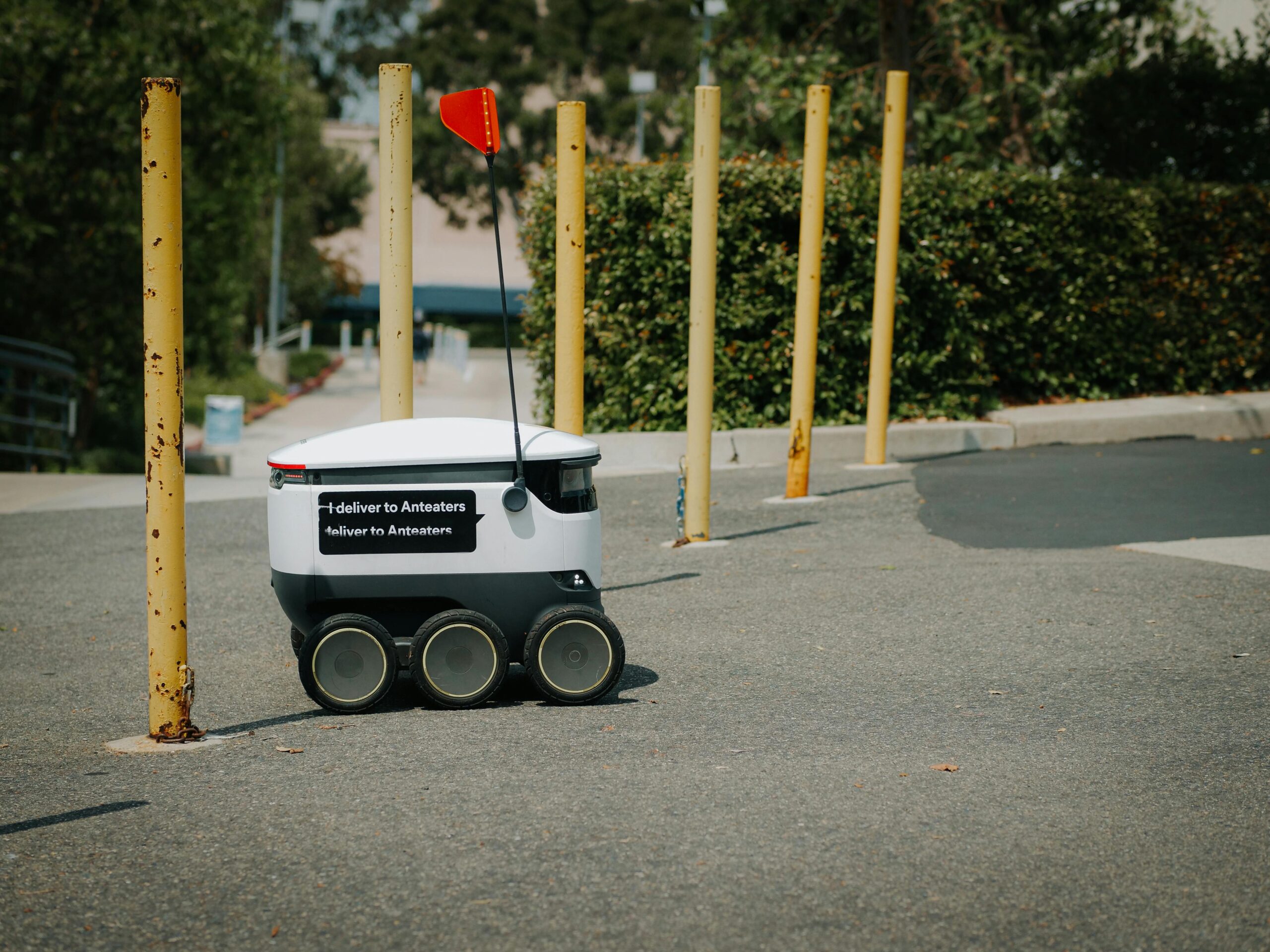
Part 2 – The Infrastructure of Intelligence: The Smart Kitchen and the IoT Revolution
•
Abstract: To truly leverage machine learning, a restaurant needs “eyes and ears” on its equipment. This chapter explores how IoT sensors in Dubai and Riyadh are automating HACCP compliance, reducing energy costs by up to 20%, and using predictive maintenance to prevent the “Friday Night Disaster.” We analyze the shift toward the “Connected Kitchen”…
-
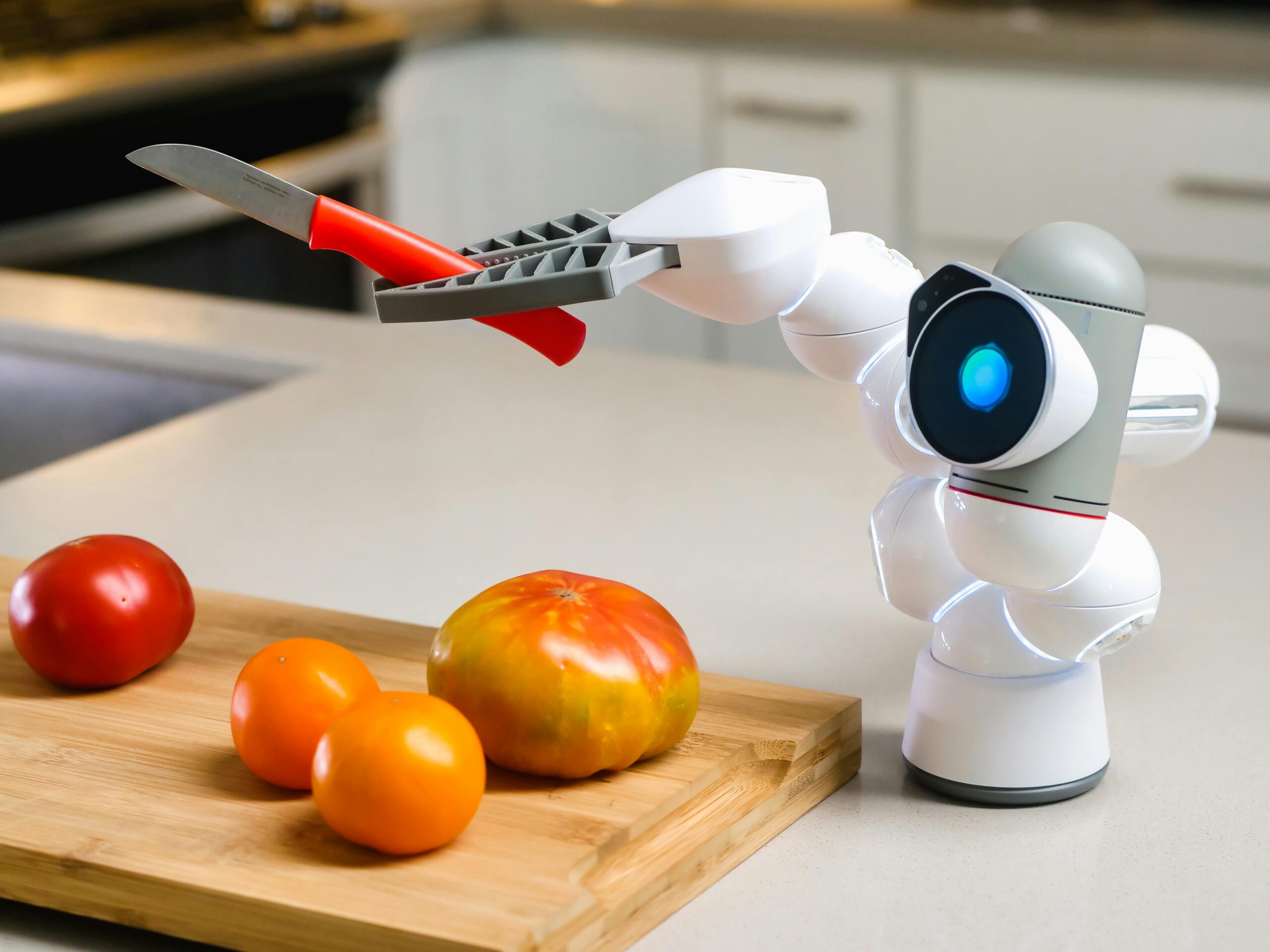
AI-Driven Gastronomy: How Machine Learning is Predicting the Next Big Food Trend in the GCC
•
Abstract: With the global market for AI in food and beverage projected to hit $18.34 billion in 2026, the GCC is emerging as a primary testing ground for “Predictive Gastronomy.” This article explores how machine learning algorithms are analyzing social media sentiment, local weather patterns, and even macroeconomic shifts to forecast consumer cravings before…
-

P3 – The Horizon: Local Sourcing, Sustainability, and the Roadmap to 2030
•
Abstract: The final phase of the Saudi Coffee Revolution is a return to the roots. With the Public Investment Fund (PIF) pouring billions into the Saudi Coffee Company and the revitalization of the Jazan region, “Local Content” is shifting from a buzzword to a premium product category. This chapter explores how to integrate Khawlani…
-

P2 – The Labor and Digital Frontier: Scaling the Modern Saudi Cafe
•
Abstract: Managing a cafe in the 2026 Saudi landscape requires a delicate balance between national employment mandates and the hyper-efficiency of a “smart” retail operation. This chapter explores how to move beyond “Quota-Hiring” to build a genuine Saudi talent pipeline. We also deconstruct the “Digital Maturity” of the Saudi consumer—who now views mobile ordering…
-

The Saudi Coffee Revolution P1 – Engineering a High-Margin Cafe Concept for the Riyadh 2030 Market
•
Abstract: In the Kingdom of Saudi Arabia, coffee is not just a beverage; it is a foundational pillar of social fabric and national identity. As Riyadh transforms into a global metropolis under Vision 2030, the “Third Wave” coffee scene has evolved from a trend into a hyper-competitive industry. This masterclass deconstructs the shift from…
-
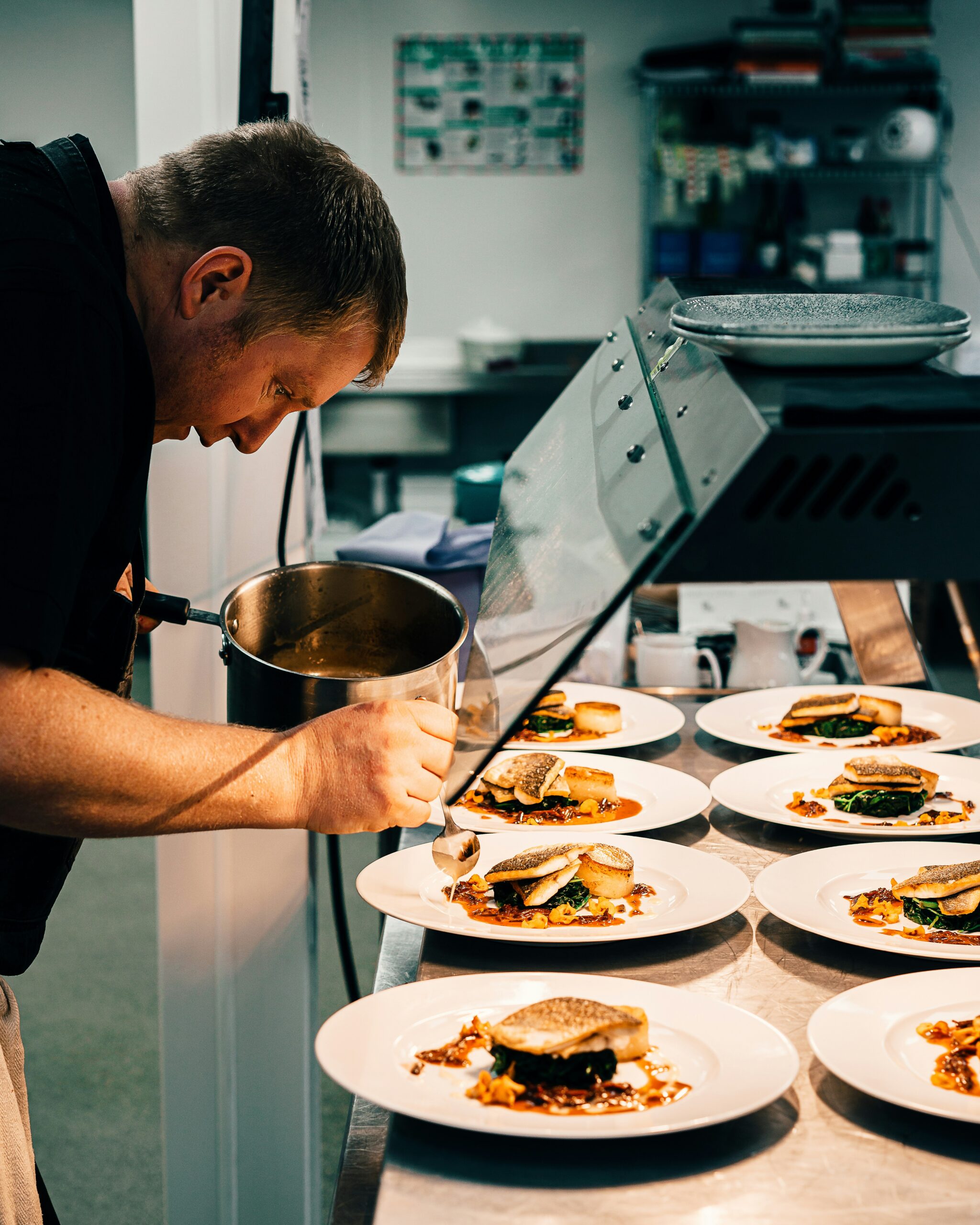
The Architecture of a Ghost Kitchen – Profitability and Logistics in the Delivery-Only Era
•
Abstract: The cloud kitchen market in the UAE and Saudi Arabia is projected to exceed $2 billion by 2025, yet 30% of these ventures fail within the first two years. Why? Because operators underestimate the “Logistics Tax.” This masterclass breaks down the unit economics of the ghost kitchen, the “assembly-line” kitchen design required for…
-

The Startup Dilemma in the Food Industry: Hard Lessons from Reality
•
Introduction Launching a food startup sounds exciting — after all, everyone eats, and trends like plant-based, functional nutrition, and clean-label products are booming. But beneath the surface lies a brutal truth: most food startups struggle to survive the first few years. Ben Horowitz, in his book The Hard Thing About Hard Things, shares a…
-

How to Start an FMCG Startup: From Idea to Market
•
The Fast-Moving Consumer Goods (FMCG) sector is highly competitive but full of opportunity. Whether you’re planning to launch a snack brand, a dairy product, a beverage line, or a personal care range, building an FMCG startup requires strategic planning and strong execution. This guide walks you through the critical steps to launch and grow…
-
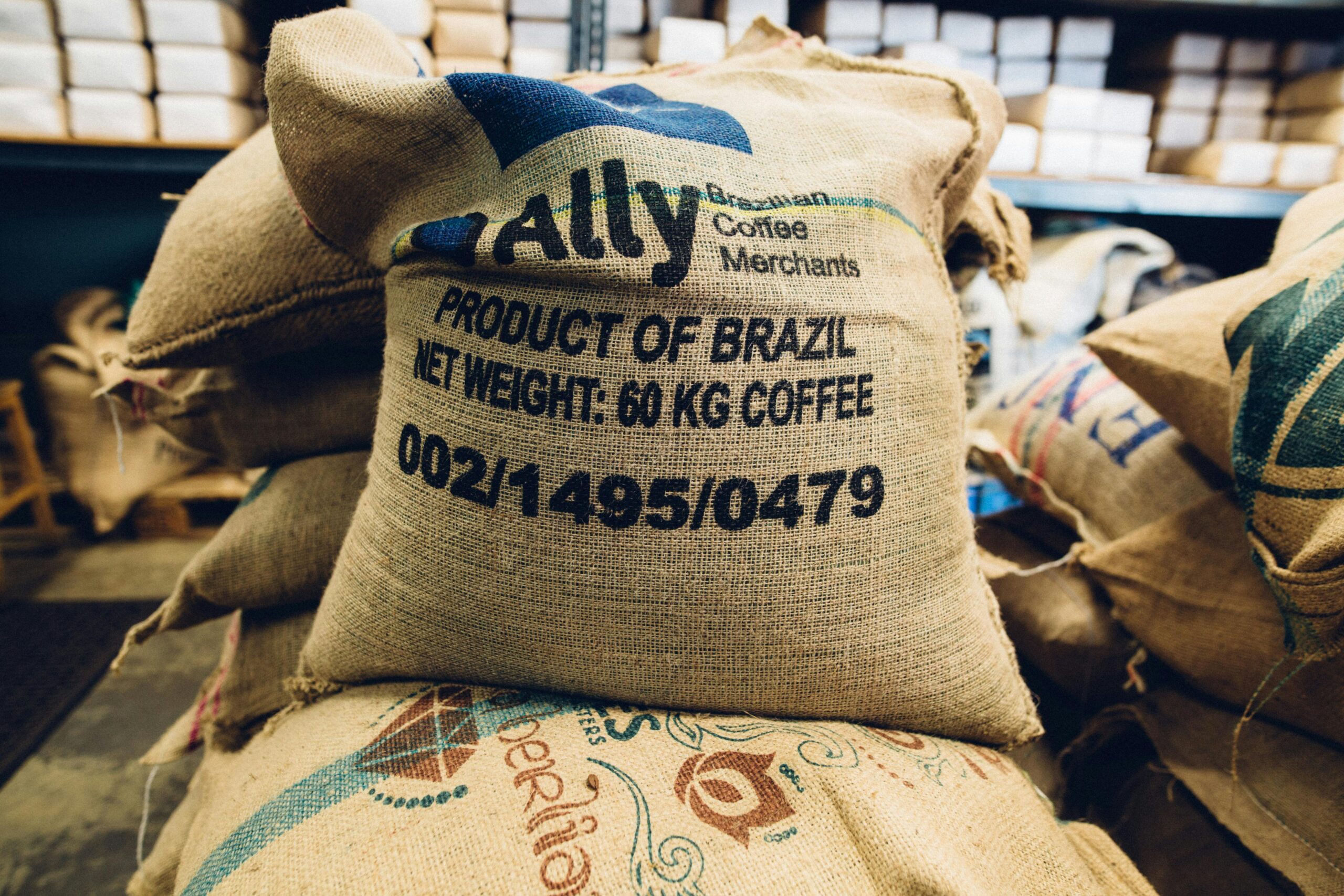
How to Start a Food Ingredient Trading Business: A Practical Guide
•
Food ingredient trading is a growing sector in the global food supply chain. From proteins and emulsifiers to spices, starches, and preservatives, food manufacturers rely on trusted traders for consistent quality, competitive pricing, and reliable logistics. This guide will help you understand how to launch and grow a food ingredient trading business, especially in…
-

How to Launch a Successful Food Startup: Insights, Industry Examples, and Actionable Steps
•
Introduction The food industry is one of the most exciting frontiers for innovation today. With rising consumer demand for transparency, sustainability, and health-focused products, entrepreneurs are entering the space with bold ideas. However, a compelling idea alone isn’t enough. The food sector is unique in its complexity — it combines strict regulations, technical product…