Introduction
Outsourcing production through a co-packer or co-manufacturer can accelerate your food startup’s journey from kitchen to shelf. But choosing the wrong partner can lead to quality issues, missed launches, and reputational damage.
At FoodResso, we help startups and scale-ups navigate the complex world of contract manufacturing with clarity. This guide walks you through the criteria, questions, examples, and decision-making framework to select the right partner—whether you’re making hummus in Dubai or plant-based snacks in the Netherlands.
“You can’t scale what you can’t trust.” — Ben Horowitz
1. Understand the Difference: Co-Packer vs Co-Manufacturer
While the terms are often used interchangeably, there’s a nuance:
- Co-Packer: Primarily handles packaging and filling of your finished product.
- Co-Manufacturer: May be involved in formulation, sourcing, processing, and final packaging.
Example:
- A UAE granola startup sends their pre-baked mix to a co-packer for portioning and packaging in pouches.
- A vegan cheese startup in Germany works with a co-manufacturer that produces the product from scratch using their recipe and supplies.
Understanding this distinction helps you define how much control and support you need.
2. Define Your Production Needs
Before searching for a partner, clarify:
- Product type: Refrigerated? Shelf-stable? Clean-label?
- Volume: Batches per month or per quarter
- Packaging format: Bottles, sachets, tubs, flow-wraps, etc.
- Certifications needed: ISO, HACCP, Halal, Organic, Non-GMO, etc.
- Special capabilities: Aseptic filling, fermentation, allergen control
What to Do:
Build a short “co-packer brief” outlining your specs, estimated volumes, shelf life, and brand standards. This saves time during screening.
3. Search for Potential Partners
You can find co-packers via:
- Food industry directories (e.g., CoPackDirectory, Specialty Food Association)
- Trade shows (e.g., Gulfood, SIAL, Anuga)
- LinkedIn groups for food entrepreneurs
- Local industry associations
- Referrals from consultants or experienced founders
Regional Tip: In the Middle East, many SME-friendly co-packers operate under larger food service or private label firms—often without strong online presence. Personal visits and introductions matter.
4. Evaluate Based on Critical Criteria
Here are the key factors to assess:
A. Capabilities
- Can they produce your product as required?
- Do they handle your packaging format and materials?
Case: A dairy-based dessert startup in Egypt needed heat-sensitive filling. A co-packer initially claimed to have UHT capability but only had pasteurization. The resulting product had shelf life issues. After switching to a specialist in high-acid aseptic filling, they extended shelf life from 5 to 60 days.
B. Minimum Order Quantity (MOQ)
- Startups often struggle with high MOQs. Some co-packers have flexibility for pilot runs.
- Look for tiered MOQ models (pilot, soft launch, scale-up)
Tip: Consider regional co-packers if MOQs are more startup-friendly than international players.
C. Certifications
- For retail entry, ensure the co-packer has relevant certifications:
- HACCP, ISO 22000, Halal, Organic, etc.
- BRC or IFS for export markets
Example: A Moroccan date syrup brand missed out on EU distribution because their co-manufacturer lacked BRC certification. A change to a certified plant unlocked access to Carrefour and local health stores in France.
D. Transparency and Communication
- Are they responsive, flexible, and clear?
- Do they allow audits or sample trials?
- Is there a dedicated account manager?
You need a partner, not just a vendor.
E. Cost Structure
- Understand unit cost, packaging cost, storage, setup fees, lab tests, etc.
- Avoid vague cost sheets.
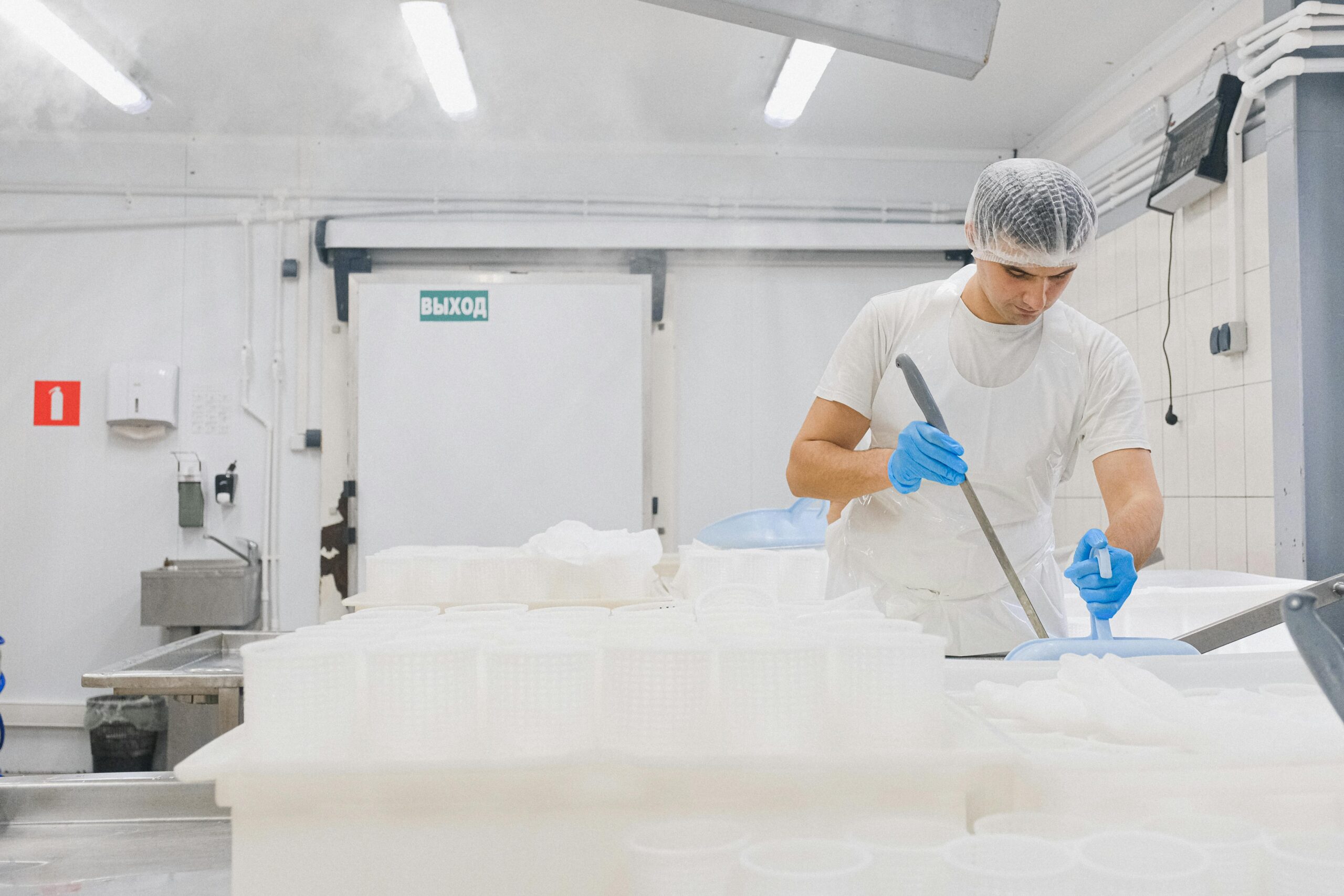
5. Visit the Facility (or Get a Virtual Tour)
A physical or video visit reveals:
- Cleanliness and hygiene practices
- Cross-contamination controls
- Equipment and automation level
- Team experience and training
- Real-time production observation
Checklist:
- Are allergen controls in place?
- Do they follow GMP and traceability systems?
- Is production documented and traceable?
6. Trial Run and Quality Assurance
Never scale up without a trial batch:
- Validate taste, texture, shelf life, and packaging
- Get a small retail test batch (~100–500 units)
- Conduct shelf-life testing (accelerated or real-time)
- Align on specifications (SOPs, COA, sample retention)
Case: A plant-based soup brand in Jordan did a trial batch in Lebanon and discovered that local water pH affected consistency. The co-packer agreed to adjust filtration and pH balancing.
7. Legal & Contractual Agreement
Have clear contracts in place. Key inclusions:
- Intellectual property (your formula stays yours)
- NDAs and confidentiality clauses
- Batch approval procedures
- Non-conformance penalties
- Quality audit rights
- Insurance and liability clauses
Tip: Use a food industry consultant or legal advisor familiar with local manufacturing agreements.
8. Red Flags to Watch For
🚩 No lab testing or traceability documents
🚩 Hidden fees post-production
🚩 Limited packaging flexibility
🚩 Inconsistent communication
🚩 They claim to do everything
🚩 Pressure to commit to high MOQs early
9. Start Small, Scale Smart
- Begin with 1 or 2 SKUs
- Monitor quality and service
- Build a strong relationship—co-manufacturers often become long-term strategic partners
Real-World Comparison
| Criteria | Local Co-Packer (UAE) | EU-Based Co-Manufacturer |
| MOQ | 2,000 units | 10,000 units |
| Certifications | HACCP, Halal | BRC, ISO, Organic |
| Lead Time | 2–3 weeks | 4–6 weeks |
| Flexibility | Medium (startup-friendly) | Low (strict production slots) |
| Cost per unit (approx.) | AED 3.2 | AED 2.8 |
| Freight | Low | High |
What to Do Next
- Write your production brief (we can help)
- Shortlist 3–5 co-packers based on capability and location
- Request quotes and visit 1–2 facilities
- Run a trial batch and test samples
- Negotiate clear contracts with QA terms
Final Thoughts
Finding the right co-manufacturer is part art, part science. It’s about balancing technical capabilities with shared values around quality and transparency.
At FoodResso, we guide startups through sourcing, auditing, and scaling with the right partners—across the Middle East, Europe, and Asia.
Need help finding and vetting your co-packer?
Let’s talk. We’ve already built the shortlists.